Upgrading your bathroom starts with making smart decisions about every element, including your glass shower door. Custom-made glass shower doors transform ordinary bathrooms into luxurious retreats while solving practical challenges that off-the-shelf options simply can’t address.
Whether you’re renovating a heritage home or building a modern condo, understanding essential guidelines when it comes to glass shower doors ensures your investment delivers both beauty and functionality for years to come.
This comprehensive guide walks you through the critical dos and don’ts when selecting and installing custom glass shower doors.
Understanding Your Custom Glass Shower Door Options
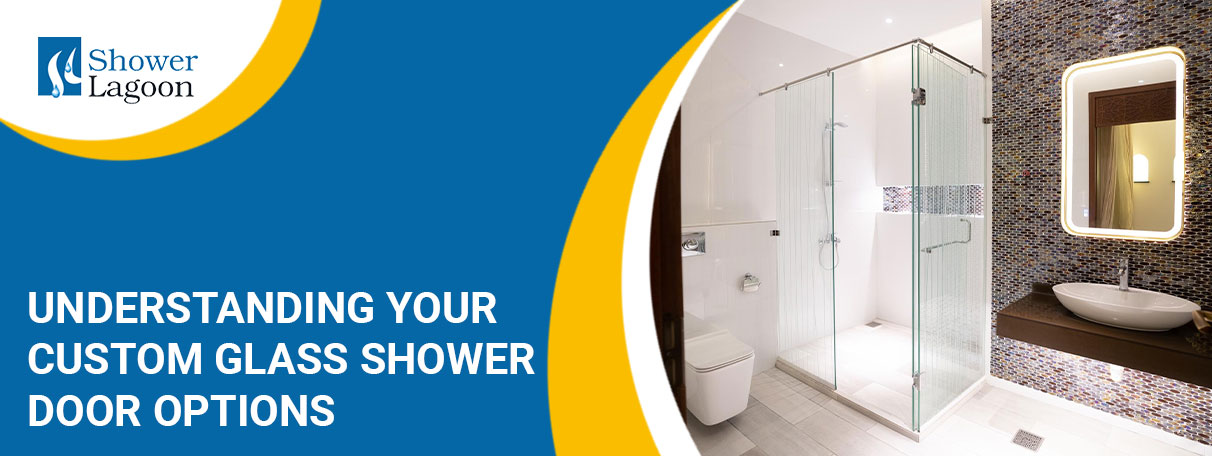
Before diving into specific guidelines, let’s explore what makes custom glass installations different from standard alternatives. Custom-made glass shower doors are precisely fabricated to fit your unique bathroom layout. They address awkward angles, non-standard dimensions, and specific design preferences that mass-produced units cannot accommodate.
Do: Measure Multiple Times Before Ordering
Accurate measurements form the foundation of successful custom glass shower door installations. Even a discrepancy of a few millimetres can create gaps that allow water leakage or prevent proper door operation. Professional installers typically measure three times at different heights and widths, especially as walls in older Canadian homes often aren’t perfectly straight or plumb.
Take measurements at the top, middle, and bottom of the opening. Record the smallest dimension to ensure a proper fit. Consider hiring a professional to verify your measurements, especially if you’re working with unusual angles or European-style wet rooms that lack traditional curbs.
Don’t: Assume All Glass Types Perform Equally
Not all glass materials suit climates and bathroom conditions equally well. Tempered safety glass is the only acceptable choice for shower enclosures because it shatters into small, relatively harmless pieces rather than dangerous shards. This glass undergoes thermal treatment that makes it four to five times stronger than standard glass.
Some homeowners consider laminated glass for additional sound dampening in ensuite bathrooms. However, tempered glass remains the industry standard for its superior safety profile and thermal shock resistance during cold Canadian winters.
Do: Choose the Right Glass Thickness for Your Installation
Glass thickness directly impacts both your custom door’s durability and aesthetic appeal. Standard options range from 6 mm to 12 mm, with 10 mm representing the sweet spot for most residential applications. Thicker glass provides a more substantial, luxurious feel while reducing the type of flexing that can stress hardware over time.
Frameless installations require thicker glass (typically 10 mm or 12 mm) to maintain structural integrity without metal support. Semi-frameless and framed designs can work effectively with 6 mm or 8 mm glass since the framework provides additional support and stability.
Don’t: Overlook Hardware Quality and Compatibility
Cheap hinges, handles, and clips create ongoing maintenance headaches and premature failures. Invest in solid brass or stainless-steel hardware with appropriate corrosion resistance ratings for humid bathroom environments. Hardware rated for marine applications performs exceptionally well in bathrooms where winter heating creates extreme humidity fluctuations.
Ensure all hardware matches your glass thickness specifications exactly. Using 8 mm hardware on 10 mm glass creates dangerous stress points that compromise the entire installation’s structural integrity.
Do: Consider Water Management and Drainage
Proper water containment requires more than just glass panels. Strategic placement of door sweeps, corner seals, and thresholds prevents water from escaping the shower area and damaging bathroom floors. In homes with radiant floor heating, water leakage can create particularly costly damage.
Design your custom-made glass shower doors with a slight inward slope (about one to two degrees) to direct water back toward the drain. This subtle angle makes a significant difference in preventing water migration beyond the shower threshold.
Don’t: Ignore Ventilation Requirements
Inadequate ventilation leads to persistent moisture problems, regardless of how well your glass enclosure contains water during showering. Poor airflow promotes mildew growth on caulking, grout, and even glass surfaces. Canadian building codes often require bathroom exhaust fans that move at least 50 cubic feet per minute.
Consider leaving a small gap (approximately 1 cm) between the top of your glass panels and the ceiling. This intentional design element promotes air circulation while maintaining the sleek appearance of floor-to-ceiling glass.
Do: Select Appropriate Glass Treatments for Maintenance
Several glass treatment options reduce cleaning frequency and improve water shedding. Protective coatings create a hydrophobic surface that causes water to bead and roll off rather than clinging and leaving mineral deposits. These treatments prove particularly valuable in areas with hard water, which affects many Canadian municipalities.
Low-iron glass (also called ultra-clear or crystal-clear glass) eliminates the greenish tint visible at the edges of standard glass. This premium option showcases tile work and bathroom fixtures without colour distortion, creating a truly transparent appearance.
Don’t: Skip Professional Installation
While handy homeowners successfully tackle many renovation projects, custom glass shower installation demands specialized skills and tools. Professional installers understand how to properly set anchors in various wall materials, achieve plumb and level installations, and apply appropriate caulking techniques that prevent leaks.
Insurance considerations matter too. Professional installation typically includes warranty coverage for both labour and materials. DIY installations may void manufacturer warranties and create liability issues if leaks damage adjacent rooms or lower floors in multi-storey homes.
Do: Plan for Long-Term Cleaning and Maintenance
Establish a regular cleaning routine from day one. Daily squeegee use after showering takes just 30 seconds and dramatically reduces mineral buildup and soap scum accumulation. Weekly cleaning with appropriate glass cleaners maintains clarity and prevents stubborn deposits from forming.
Avoid abrasive cleaning tools and harsh chemicals that can scratch glass surfaces or damage protective coatings. Microfiber cloths and pH-neutral cleaners provide effective cleaning without causing damage. White vinegar diluted with water offers an inexpensive, effective solution for routine maintenance.
Don’t: Compromise on Door Swing Direction
Door swing direction affects both your bathroom’s functionality and its safety. Doors should open outward into the bathroom rather than inward into the shower space. This configuration provides easier entry and exit, prevents the door from hitting fixtures or bathers, and allows quick access in case of emergency.
Consider the natural traffic flow in your bathroom when determining door placement. Avoid configurations that require stepping over toilets or navigating around vanities when entering the shower area.
Do: Account for Canadian Building Codes and Regulations
Building codes vary across provinces and municipalities, but most Canadian jurisdictions follow National Building Code guidelines for bathroom safety. These regulations specify requirements for glass safety standards, accessibility considerations, and minimum clearances around fixtures. Verify any local requirements before finalizing your design.
Heritage properties may face additional restrictions regarding bathroom modifications. Check with your municipality’s heritage department before proceeding with renovations in designated heritage districts.
Don’t: Forget About Future Accessibility Needs
Design decisions made today should accommodate potential future mobility challenges. Curbless or low-threshold shower entries provide easier access for users with limited mobility while maintaining their aesthetic appeal for current occupants. Wider door openings (minimum 32 inches) accommodate mobility aids without compromising design.
Consider installing blocking between wall studs during construction to facilitate future grab bar installation. This proactive approach costs little during initial construction but saves significantly compared to retrofit installations later.
Do: Coordinate with Other Bathroom Elements
Custom-made glass shower doors should complement your overall bathroom design rather than competing with other elements. Consider how glass transparency affects visual lines and privacy. Clear glass makes small bathrooms feel larger but offers no privacy. Frosted, textured, or patterned glass offers varying levels of privacy while maintaining light transmission.
Coordinate hardware finishes with faucets, lighting fixtures, and cabinet hardware for a cohesive design. Mixing finishes intentionally can work but requires careful planning to avoid a disjointed appearance.
Don’t: Underestimate Lead Times for Custom Work
Custom glass fabrication requires several weeks from measurement to installation. Expect three to six weeks for standard residential projects, with longer timelines during peak renovation seasons or for complex designs requiring specialty glass or hardware. Factor these timelines into your renovation schedule to avoid project delays.
Rush orders may be available for premium fees, but hurrying fabrication increases the risk of errors. Plan ahead to allow adequate time for each project phase.
Do: Work with Reputable Local Suppliers
Partnering with established local companies like Shower Lagoon ensures access to experienced professionals who understand Canadian building practices, climate considerations, and local code requirements. Local suppliers provide convenient access for consultations, measurements, and post-installation service.
Request references and view completed installations before committing to a supplier. Quality companies proudly showcase their work and connect prospective clients with satisfied customers.
Custom glass shower door installations represent significant investments in your home’s value and your daily comfort. Following these guidelines ensures your new enclosure delivers years of reliable performance and aesthetic enjoyment. Take time during the planning phase to make informed decisions rather than rushing choices you’ll regret later. Your bathroom deserves the precision and beauty that only custom solutions provide. Contact Shower Lagoon today to discuss your custom glass shower door project and transform your bathroom into the luxurious retreat you’ve always wanted.